Is Sparkling Water Good For You? Dietitians Explain
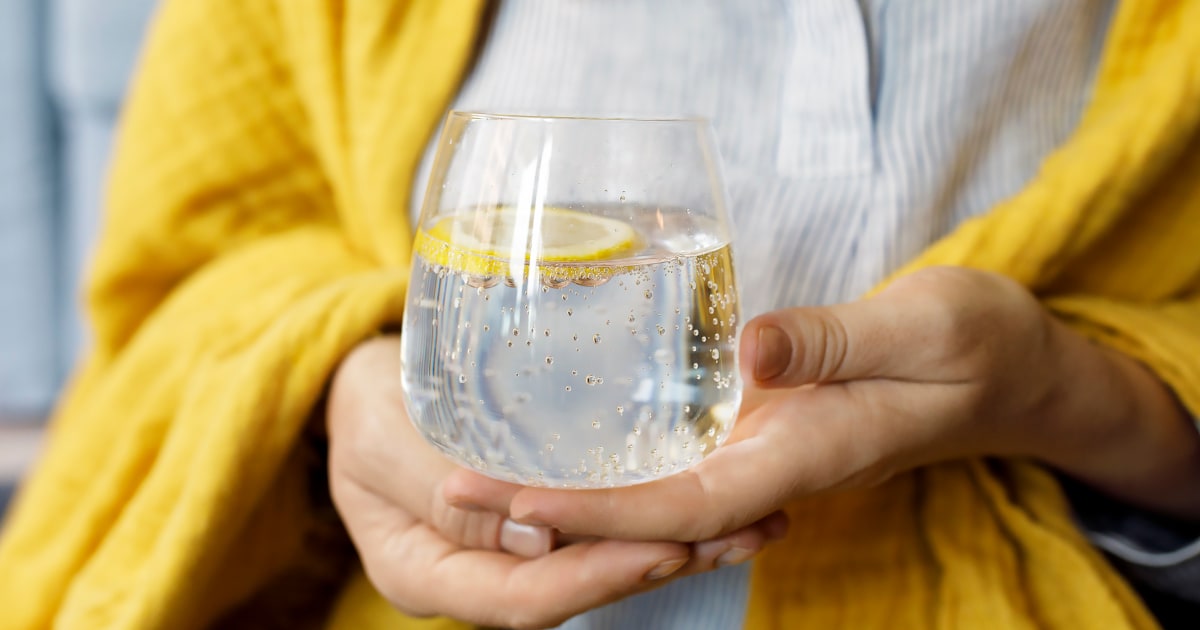
Sparkling water is the bubbly version of still water, which has been infused with carbon dioxide to give it a satisfying fizz. Also called “carbonated water” or “seltzer,” sparkling water comes in just about any flavor to suit your tastes. When plain, flat H2O just won’t cut it, sparkling water can hit the spot and hydrate you at the same time.
Also called “carbonated water” or “seltzer,” sparkling water has become more popular than ever. There is an increasing number of sparkling water varieties and flavors to choose from, making it even more tempting to guzzle all day.
It begs the question: Is sparkling water good for you? Are there any health benefits or risks? And which type of sparkling water is the healthiest? Dietitians share nutrition details about sparkling water and the healthiest types to try.
What is sparkling water?
“Sparkling water is water that has carbon dioxide bubbles — which can be natural or added,” Julia Zumpano, a registered dietitian with the Cleveland Clinic Center for Human Nutrition, tells TODAY.com.
There are several different types of sparkling water. These include mineral water, seltzer and club soda.
Sparkling water can be naturally carbonated and come from springs or wells — the carbonation occurs due to underground gasses, says Grace Derocha, registered dietitian and spokesperson for the Academy of Nutrition & Dietetics, tells TODAY.com.
Naturally occurring sparkling water often contains minerals, such as calcium, magnesium, potassium and sodium, says Derocha. The amount of these depends on the mineral content of the rocks which the water flows through, TODAY.com previously reported.
Mineral water can be naturally carbonated or still, and still mineral water can also be artificially carbonated, Derocha adds.
Seltzer is plain drinking water that is infused with carbon dioxide under pressure, artificially, says Derocha. On its own, seltzer water doesn’t have any added minerals or flavorings, Derocha adds. It’s sodium- and sugar-free.
“Club soda” is plain seltzer water with added minerals, including sodium. Many seltzer brands also add flavorings, such as fruit juices, fruit essences, or artificial sweeteners and other ingredients.
The nutrition content of sparkling water will vary based on the type and brand, but generally, plain sparkling water contains no calories, carbohydrates, or sugar and may contain some minerals. Always read the nutrition facts for more information.
Is sparkling water healthy?
Yes, sparkling water is healthy, the experts note. “Water itself is ‘healthy’ … we need it to survive and to optimize our health,” says Zumpano.
Sparkling water, like regular still water, contains the base of H2O, the “essential element for hydration,” says Derocha. For those who dislike the taste or experience of drinking still water, sparkling water can help them stay hydrated.
It’s also a great alternative to sugary sodas, the experts note, but it’s important to be mindful of added ingredients and check nutrition labels.
“Simple, (plain) sparkling water is a healthy choice, although some sparkling waters can add sweeteners, juice or color that can make that sparkling water less healthy,” says Zumpano.
Many popular seltzer brands sold in stores can contain some added sugar or non-sugar substitutes such as aspartame.
Benefits of sparkling water
Sparkling water is a healthy beverage choice with a number of potential health benefits. Drinking seltzer water can:
- Help you stay hydrated
- Help you feel full
- Act as an alternative to sugary sodas
An important benefit of sparkling water is that it can help improve hydration, especially for people who prefer fizzy drinks over still water. Sparkling water is just as hydrating as regular still water, says Zumpano. The carbon dioxide bubbles create a tingly sensation in the mouth, adding a sensory element that may encourage people to drink more water than they would otherwise, the experts note.
The average adult needs about 2.7 to 3.7 liters of fluids per day, but many people fall short of that. So if drinking seltzer water helps you drink more water overall, it’s an excellent choice, the experts note.
Drinking sparkling water can also make you feel fuller than still water does, the experts note. “Because of the carbonation (from) the bubbles, your stomach feels full faster from drinking it, because you’re literally adding like gas into your system,” says Derocha.
If you’re looking to curb hunger in the short-term or trying to prevent overeating, sparkling water may help, Derocha adds.
Sparkling water is also a great alternative to sugary sodas, which are a leading source of added sugars in the American diet, according to the U.S. Centers for Disease Control and Prevention. Frequently drinking sugary beverages is associated with tooth decay, Type 2 diabetes, heart disease and more.
If you’re trying reduce your soda intake, switching to plain sparkling water could help satisfy your cravings for a bubbly drink without the added sugar, carbohydrates and calories, says Derocha.
What type of sparkling water is healthiest?
If you’re choosing between sparkling waters, the experts recommend opting for plain sparkling water or seltzer without any added sugar or other additives — just water and bubbles.
Sparkling mineral water is another great option, says Zumpano. If you’re exercising or sweating a lot, mineral water can be an excellent option to replenish electrolytes, Derocha adds.
When it comes to flavored or sweetened sparkling water, there are a few things to keep in mind, the experts note.
Flavorings
Sparkling water may contain natural or artificial flavorings. “Natural flavorings can come from fruits, veggies, spices, herbs or other food sources,” says Derocha. The extracts or oils from these are heated and concentrated into a “natural essence,” which adds flavor without calories or sugar, says Derocha.
While both processed, natural flavorings are derived from plants whereas artificial are derived from synthetic substances created in a lab — however, they’re similar nutritionally. In any case, the experts recommend opting for sparkling water with the fewest ingredients.
Sweeteners
When it comes to adding sweetness, sparkling water may contain natural sugars or non-sugar substitutes. These include artificial sweeteners, such as aspartame or sucralose, and plant-based sweeteners, like monkfruit or stevia. “These add a lot of sweetness without calories,” says Derocha.
Added sugars can negatively impact blood glucose, blood triglycerides and weight, says Zumpano. While the FDA considers artificial sweeteners safe when consumed in acceptable amounts, these can cause stomach upset in some people.
Ultimately, the experts recommend opting for simple, sugar-free sparkling water without added sweeteners. However, artificially sweetened seltzer water is fine to drink in moderation and can be a better alternative to sugary sodas if you’re trying to cut back.
Added ingredients
The seltzer water boom has led to an increasing number of products which contain added ingredients such as colorings, caffeine, taurine, prebiotics or even alcohol. Always read all labels and check the nutrition facts to make sure you know what you’re drinking.
The experts recommend opting for the seltzer water with the least additives.
Downsides of sparkling water
While sparkling water is generally safe for most people to drink in moderation, it can come with some downsides, the experts note.
Gassiness
“The bubbles can lead to increased gas, belching and bloating… and if you suffer from reflux, sparkling water could make matters worse,” says Zumpano. If you experience gassiness or stomach issues after drinking sparkling water, try cutting back or sticking to still water, the experts note.
Tooth enamel erosion
Carbonated water is slightly acidic, says Derocha. This is because the CO2 turns into carbonic acid in the mouth, which is also what gives the water that distinct fizzy or “spicy” feeling, TODAY.com previously reported.
“Over time, (it) could affect tooth enamel and lead to the enamel getting a little bit weaker,” says Derocha. Sparkling water is still much less acidic than regular sodas or orange juice, for example, but it could be an issue if you drink a lot of it or are prone to enamel erosion.
“You can try drinking sparkling water with meals or out of a straw,” says Derocha. Always talk to your dentist if you have concerns.
Is sparkling water bad for your kidneys?
“It’s technically not, if you are generally healthy,” says Derocha. If a person has underlying kidney issues, they may need to watch or restrict their intake of minerals, such as sodium, potassium and phosphorus, Derocha notes. “Just be aware, especially if it’s sparkling mineral water, that you’re staying within your limits.”
There’s no research suggesting that drinking sparkling water leads to kidney stone formation. There’s also no scientific evidence that sparkling water is harmful to bone health, says Derocha.
Can you drink sparkling water every day?
“Yes, you can drink (sparkling water) daily, but be aware of how your body reacts,” says Zumpano. The experts recommend drinking in moderation, and sticking to about one or two cans a day.
“What’s considered a large amount is different for different people,” says Derocha — it could be two for some and five for others, for example.
“If you have any negative symptoms, switch to plain still water,” says Zumpano. Always talk to your doctor if you have concerns.
link

:max_bytes(150000):strip_icc()/Health-GettyImages-2239220710-09150d5ba1af4527b5b270e9ddd17c2a.jpg "What Happens to Your Body When You Drink Water First Thing in the Morning")